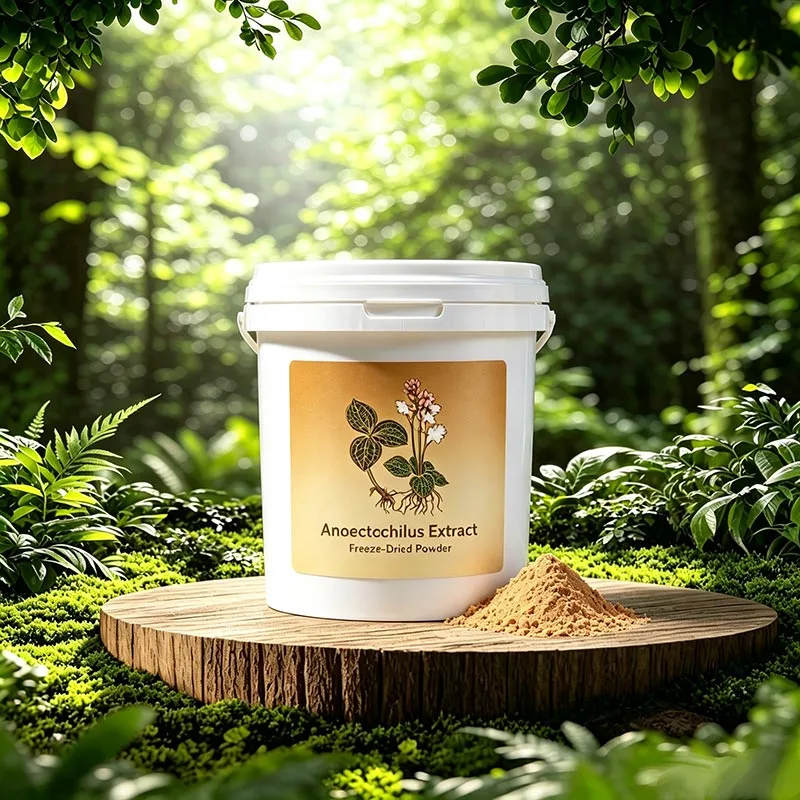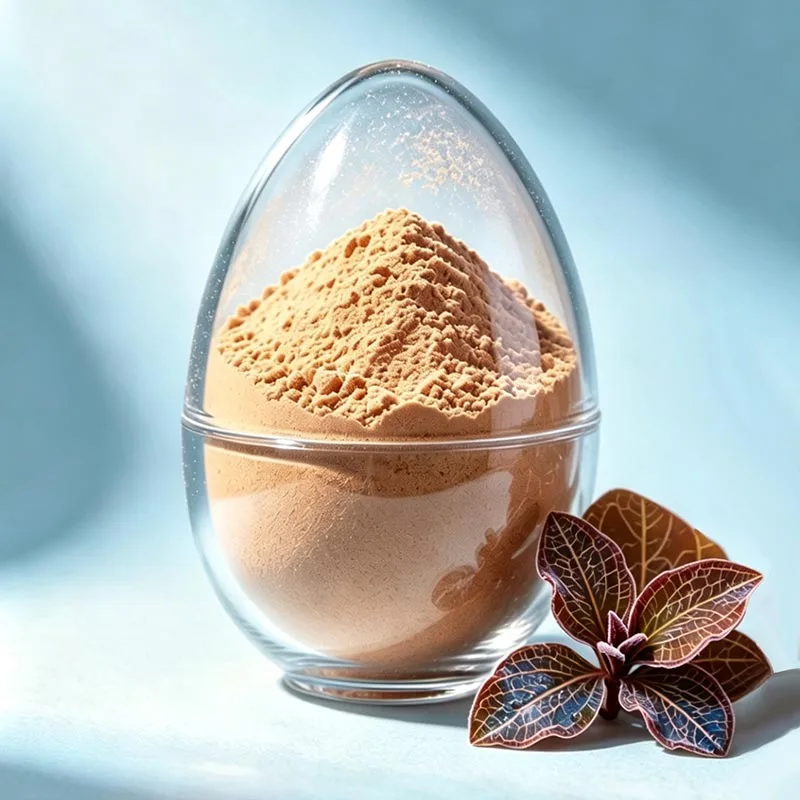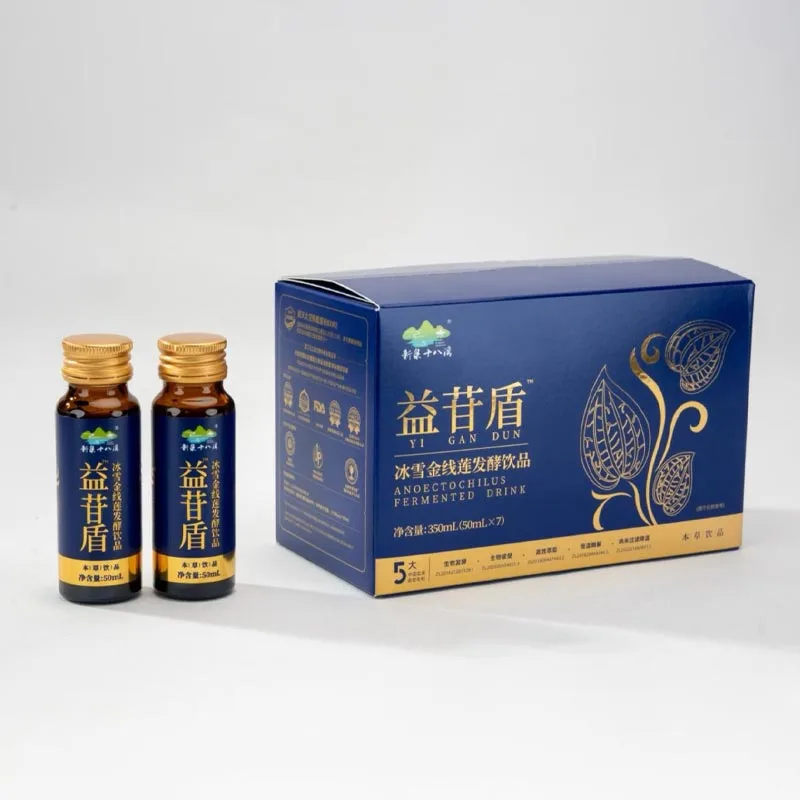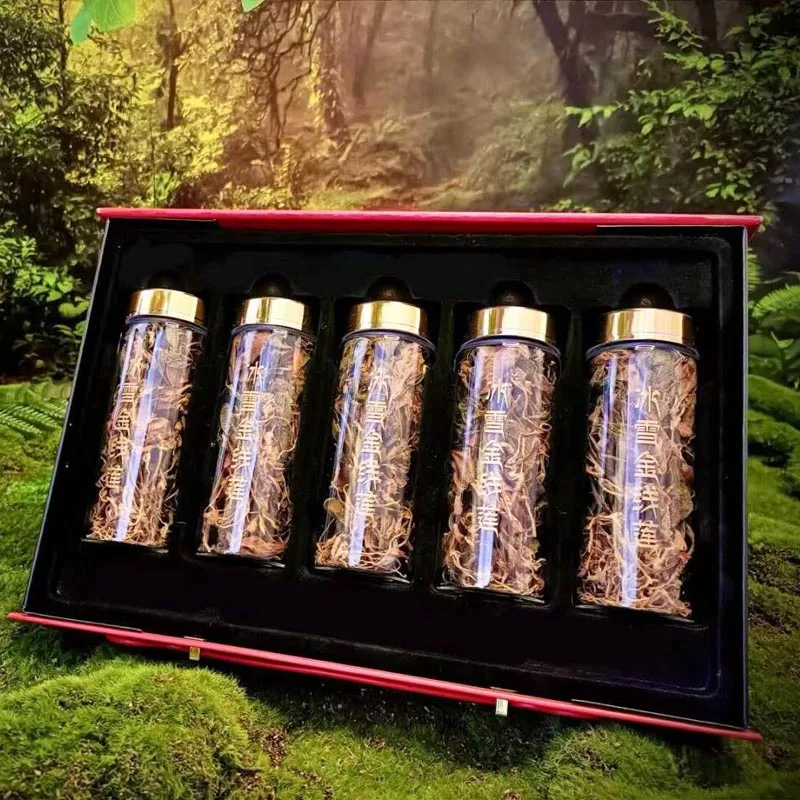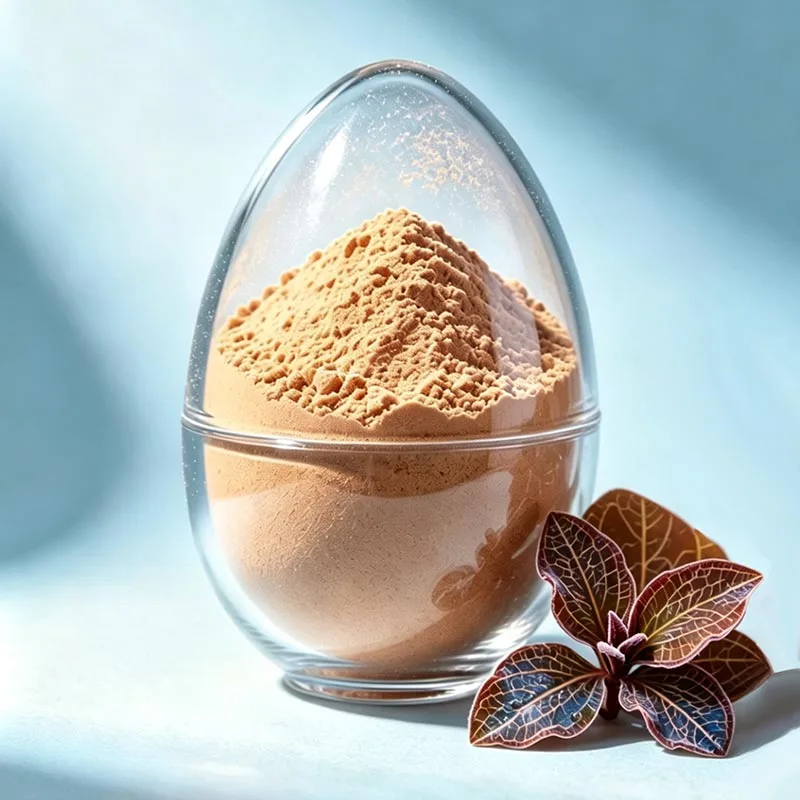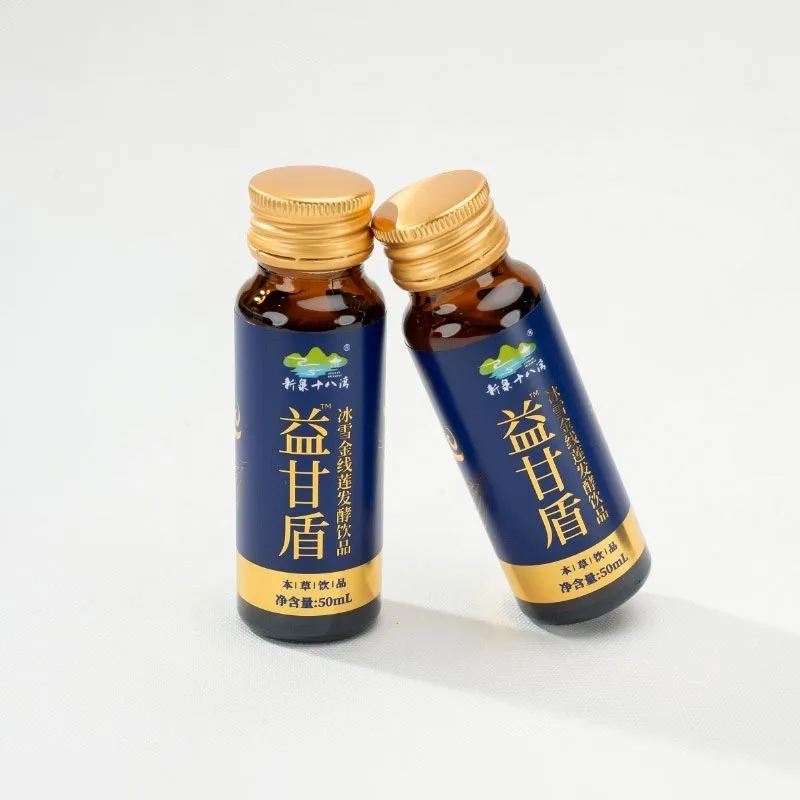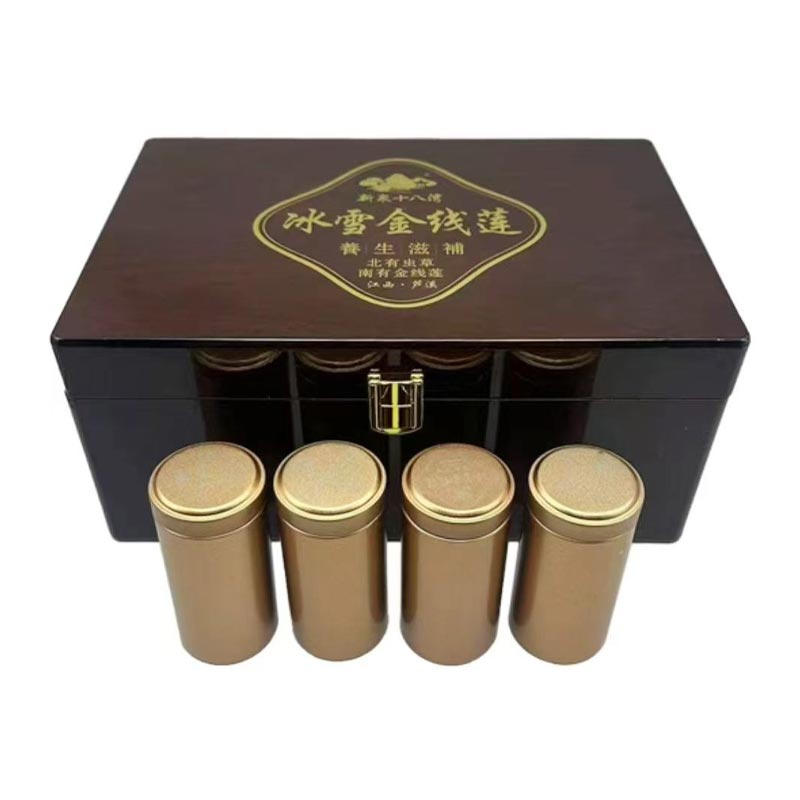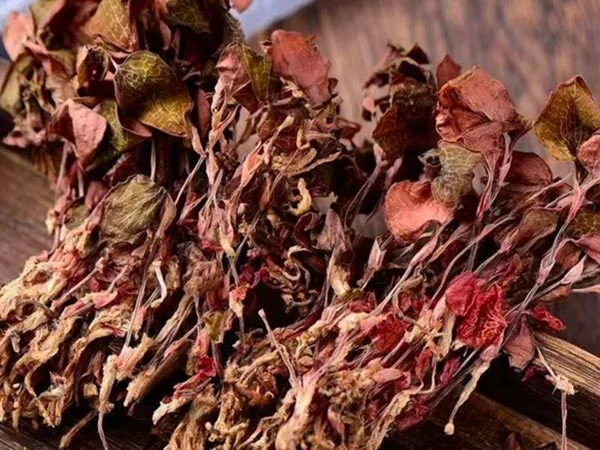

Sulfur-Free Pure Premium Dried Anoectochilus Roxburghii is designed for buyers who want a cleaner, carefully processed form of this valuable botanical while maintaining its natural characteristics. Also known as Jinxianlian in Chinese, Anoectochilus roxburghii is a perennial orchid traditionally valued as both a medicinal and edible plant. Modern research has identified polysaccharides, flavonoids, glycosides, organic acids and other naturally occurring constituents in the plant. However, product quality can vary significantly according to cultivation, harvesting, drying, storage and processing practices. This guide explains what sulfur-free processing means, why raw-material quality matters, how dried Anoectochilus Roxburghii should be evaluated, and what professional buyers should consider before purchasing.
- Understanding Dried Anoectochilus Roxburghii
- What Sulfur-Free Processing Means
- What Defines Premium Quality?
- Natural Components and Botanical Characteristics
- From Cultivation to Dried Herb
- Quality Control Points Buyers Should Check
- Storage and Shelf-Life Considerations
- Potential Product Applications
- Purchasing Guide for Professional Buyers
- Sulfur-Free Dried Herb Compared with Conventional Processing
- Frequently Asked Questions
- Final Thoughts
Understanding Dried Anoectochilus Roxburghii
Anoectochilus roxburghii, belonging to the Orchidaceae family, is a distinctive perennial herb that has been used in Asian traditional practices for generations. It is commonly associated with the name Jinxianlian and has attracted attention because of its combination of traditional value, culinary applications and diverse natural constituents.
Scientific reviews have reported that the plant contains several classes of compounds, including polysaccharides, flavonoids, glycosides, organic acids, alkaloids, steroids, triterpenes and other constituents. Research has also focused particularly on polysaccharides and compounds such as kinsenoside and flavonoid-related substances. These findings help explain why the plant continues to attract interest from researchers and developers of botanical products.
Drying is an important stage because fresh botanical material contains substantial moisture and is considerably more difficult to store and transport. Proper drying reduces moisture to a manageable level and creates a more stable raw material for further processing, formulation or traditional preparation.
What Sulfur-Free Processing Means
For botanical buyers, the term “sulfur-free” generally communicates that sulfur dioxide fumigation or sulfur-based treatment has not been intentionally used as part of the product's processing. This distinction matters because buyers increasingly want to understand not only what is contained in a botanical product, but also how the product was handled before it reached the final package.
Sulfur treatment has historically been used in some dried agricultural and herbal products for purposes such as appearance preservation and microbial or pest control. A sulfur-free production approach instead places greater emphasis on raw-material selection, controlled drying, hygienic handling, environmental control and appropriate packaging.
Importantly, “sulfur-free” should not be interpreted as meaning that the plant naturally contains absolutely no sulfur-related compounds. The phrase should instead be connected to the processing method and supported by appropriate supplier documentation where required.
- Clear raw-material sourcing records
- Controlled drying procedures
- Clean processing environments
- Appropriate moisture management
- Suitable packaging materials
- Batch identification and traceability
- Testing appropriate to the intended market and application
What Defines Premium Quality?
A premium dried botanical is not defined by appearance alone. Color, aroma and physical integrity can provide useful preliminary information, but professional purchasing decisions should consider the complete supply chain.
| Quality Factor | What Buyers Should Examine |
|---|---|
| Botanical identity | Correct species identification and reliable source documentation. |
| Raw material | Planting conditions, cultivation practices, harvesting maturity and material consistency. |
| Drying | Controlled conditions that achieve suitable moisture without unnecessary degradation. |
| Appearance | Natural and consistent appearance without unexplained discoloration or excessive foreign matter. |
| Cleanliness | Appropriate controls for impurities, contaminants and foreign materials. |
| Packaging | Moisture-resistant, hygienic packaging appropriate for transportation and storage. |
| Traceability | Batch information connecting finished goods to raw material and production records. |
This broader approach is especially important for importers, ingredient distributors and manufacturers who need repeatable raw materials rather than one-off purchases.
Natural Components and Botanical Characteristics
Anoectochilus roxburghii has been studied extensively enough to establish that its chemical profile is complex. Reviews have identified polysaccharides, flavonoids, glycosides, organic acids, volatile compounds, steroids, triterpenes, alkaloids and nucleosides among its reported constituents.
Polysaccharides are particularly interesting to researchers. A 2023 review summarized studies showing that Anoectochilus roxburghii polysaccharides can contain monosaccharides such as glucose, galactose, rhamnose, mannose, arabinose and xylose, with composition varying according to source and extraction method.
Flavonoids are another important group. Recent research has identified compounds including quercetin and various flavonoid glycosides. Their concentrations can vary according to geographical origin, variety, cultivation conditions and processing factors.
For commercial buyers, this variability is an important consideration. A product should not be evaluated solely according to the general reputation of the plant. The actual raw material, production method and testing specifications determine whether one batch is suitable for a particular application.
From Cultivation to Dried Herb
The quality of a dried botanical begins long before the drying room. Cultivation conditions, harvesting practices and post-harvest handling all influence the final material.
1. Cultivation and source management
Consistent cultivation can provide better control over plant identity, growing conditions and harvest planning. Reliable sourcing also makes it easier to maintain batch-to-batch consistency.
2. Harvesting
Harvest timing can influence moisture, physical condition and chemical composition. Careful handling during harvesting also helps reduce unnecessary mechanical damage.
3. Cleaning and preparation
Plant material should be appropriately cleaned and sorted before drying. The goal is to remove unsuitable material and minimize foreign matter while preserving the integrity of the botanical.
4. Controlled drying
Drying must balance moisture reduction with preservation of the desired characteristics of the raw material. Excessive heat or uncontrolled environmental conditions may negatively affect quality, while insufficient drying can create storage problems.
5. Packaging
Once dried, the material should be protected from moisture, contamination, excessive light and unsuitable storage conditions. Packaging selection is therefore part of quality management rather than simply a final cosmetic step.
Quality Control Points Buyers Should Check
Buyers purchasing dried Anoectochilus Roxburghii in commercial quantities often face the same challenge: two products may look similar while differing considerably in source, processing and documentation. A structured purchasing checklist can reduce this uncertainty.
- Species verification: Confirm the botanical identity before discussing price alone.
- Processing declaration: Ask whether sulfur fumigation or sulfur-based treatment is used.
- Moisture specification: Establish an agreed moisture range suitable for the intended application.
- Foreign matter: Define acceptable limits and inspection procedures.
- Microbiological testing: Request testing appropriate to the destination market and product use.
- Contaminant control: Where relevant, discuss pesticide residues, heavy metals and other applicable requirements.
- Batch traceability: Ensure each shipment can be connected to a defined production batch.
- Sample approval: Approve a representative sample before committing to large-volume purchasing.
Depending on the destination country and intended application, buyers may also need additional documentation concerning agricultural practices, food safety, botanical identification, microbiological specifications or other regulatory requirements.
Storage and Shelf-Life Considerations
Even well-processed dried Anoectochilus Roxburghii can lose quality if it is stored improperly. Dried plant material is particularly sensitive to moisture absorption from the surrounding environment.
| Storage Condition | Recommended Practice |
|---|---|
| Humidity | Keep the product protected from excessive ambient moisture. |
| Temperature | Use a cool, stable storage environment appropriate for the packaging and product specification. |
| Light | Limit unnecessary exposure to direct sunlight or strong light. |
| Packaging | Use clean, sealed packaging with suitable moisture protection. |
| Warehouse hygiene | Keep storage areas clean, dry and protected from pests and cross-contamination. |
Shelf life should always follow the supplier's validated specification and applicable regulations. Buyers should avoid assuming that all dried botanical products have the same storage period.
Potential Product Applications
Dried Anoectochilus Roxburghii can serve as a botanical raw material for a range of traditional and commercial applications. Published literature describes its use in food, beverages, functional products and cosmetic-related development, while traditional practices have used the plant in various preparations.
- Traditional herbal preparations
- Botanical tea and beverage development
- Functional food formulations
- Botanical ingredient blends
- Research and development applications
- Selected cosmetic and personal-care formulations
The appropriate form depends on the final product. Whole dried material may be preferred where botanical appearance is important, while cut material or powder may be more practical for extraction, blending or formulation. The intended application should therefore be defined before finalizing the product specification.
Purchasing Guide for Professional Buyers
Buyers sourcing premium dried Anoectochilus Roxburghii should look beyond the lowest initial quotation. A lower price can become costly if the material has inconsistent moisture, poor traceability, unsuitable packaging or insufficient documentation.
A practical purchasing process can follow these steps:
- Define the required botanical species and product form.
- State the sulfur-free processing requirement clearly.
- Specify moisture, appearance, packaging and contamination requirements.
- Request representative samples.
- Review available test reports and production documentation.
- Confirm minimum order quantity and packaging options.
- Establish batch identification and shipment traceability.
- Agree on inspection and acceptance criteria before placing a bulk order.
This approach is particularly useful for distributors and manufacturers that need stable supply across multiple purchase cycles.
Sulfur-Free Dried Herb Compared with Conventional Processing
| Consideration | Sulfur-Free Approach | Conventional Sulfur-Based Processing |
|---|---|---|
| Processing philosophy | Relies on controlled drying, hygiene and storage management without intentional sulfur treatment. | May use sulfur-based treatment depending on supplier and production practice. |
| Buyer documentation | Processing declarations and suitable testing can provide greater purchasing transparency. | Buyers may need to specifically verify the type and extent of sulfur treatment. |
| Appearance | May retain a more natural-looking appearance depending on raw material and drying conditions. | Appearance may be influenced by the treatment process. |
| Quality management | Requires stronger attention to drying, sanitation, packaging and storage. | Processing controls may incorporate sulfur treatment as one management measure. |
Neither processing description alone proves overall product quality. The most meaningful assessment comes from the combination of botanical identity, cultivation, processing, testing, packaging, traceability and compliance with the buyer's destination-market requirements.
Frequently Asked Questions
It refers to dried Anoectochilus Roxburghii produced without intentional sulfur fumigation or sulfur-based processing, with an emphasis on controlled handling, drying, cleanliness and product consistency.
No. “Sulfur-free” describes a specific processing characteristic. It should not automatically be interpreted as meaning that the product is completely free from every chemical substance, pesticide residue or naturally occurring compound.
Published studies have reported polysaccharides, flavonoids, glycosides, organic acids, alkaloids, steroids, triterpenes and other constituents. Their levels can vary with plant source, cultivation conditions, processing and analytical methods.
Dried Anoectochilus Roxburghii has been used in traditional beverage and food preparations. However, the appropriate preparation method and labeling requirements depend on the intended market and local regulations.
Store it in a clean, dry and stable environment, protected from excessive humidity, direct light, contamination and unsuitable temperatures. Sealed moisture-resistant packaging is generally important for maintaining dried botanical quality.
Depending on the application and destination, buyers may request botanical identification, batch information, specifications, testing reports, processing declarations, packaging details and documentation relevant to food or botanical-product regulations.
Botanical composition can vary according to growing conditions, origin, harvest and processing. Consistent production and traceability make it easier for manufacturers and distributors to maintain predictable raw-material quality.
Current research includes traditional-use evidence, laboratory studies and animal studies, but researchers have also identified limitations and the need for additional work, including standardized evaluation and longer-term safety research. It should therefore not be presented as a proven treatment for a specific disease without appropriate clinical evidence.
Final Thoughts
Sulfur-Free Pure Premium Dried Anoectochilus Roxburghii represents more than a simple dried botanical ingredient. For professional buyers, its value depends on the entire chain from cultivation and harvesting to drying, packaging, testing and traceability.
A sulfur-free approach can be particularly relevant for buyers who want transparent processing and a product specification that clearly identifies the absence of intentional sulfur treatment. At the same time, sulfur-free status should never replace comprehensive quality control. Botanical identity, moisture, cleanliness, contaminant management, storage stability and batch consistency remain essential considerations.
For buyers seeking a dependable botanical supply partner, Jiangxi Linyao Ecological Agriculture and Forestry Development Co., Ltd. can present Sulfur-Free Pure Premium Dried Anoectochilus Roxburghii as a carefully managed agricultural product for professional sourcing and further product development. Buyers should communicate their intended application, specifications, packaging requirements and destination-market standards before confirming a bulk order.
Looking for a Reliable Dried Anoectochilus Roxburghii Supplier?
Whether you are developing herbal beverages, botanical ingredients, functional food products or other plant-based formulations, consistent raw materials and transparent processing are essential. Jiangxi Linyao Ecological Agriculture and Forestry Development Co., Ltd. can work with professional buyers to discuss product specifications, packaging, sampling and bulk supply requirements. For product details, sourcing requirements or customized purchasing discussions, contact us and let us discuss a suitable supply solution for your market.