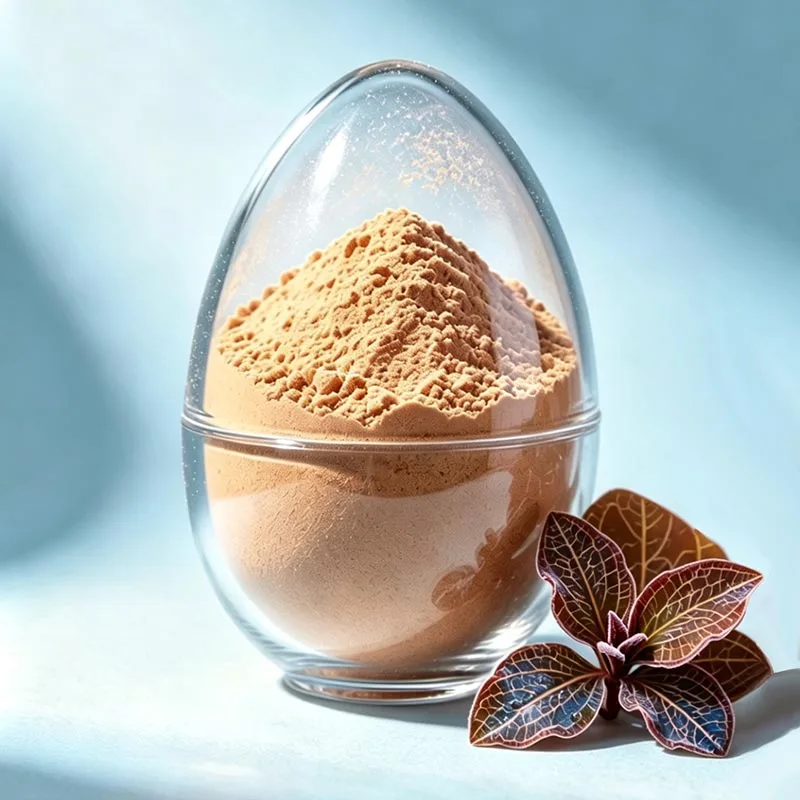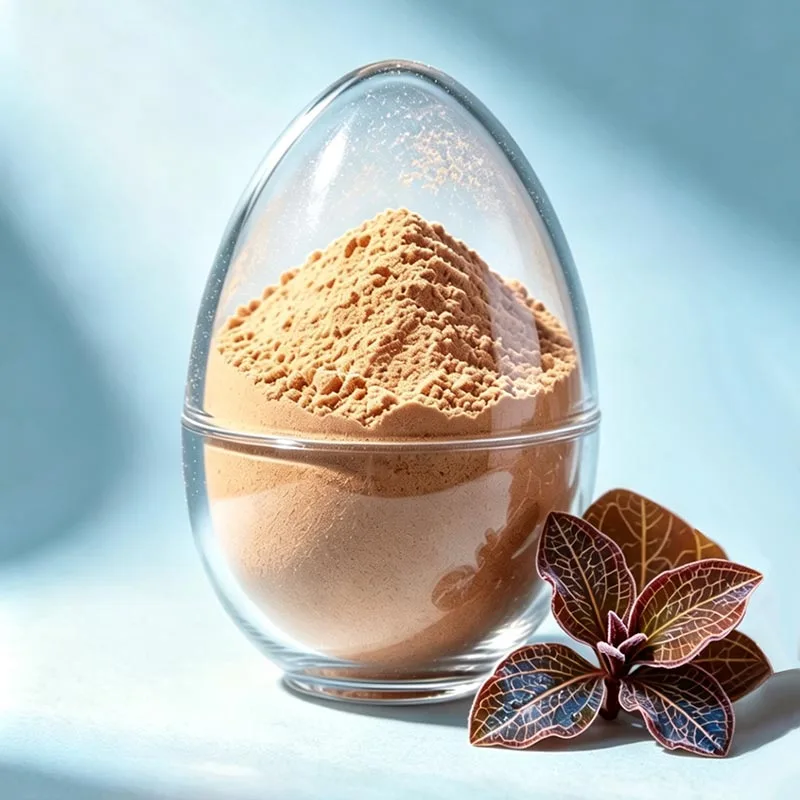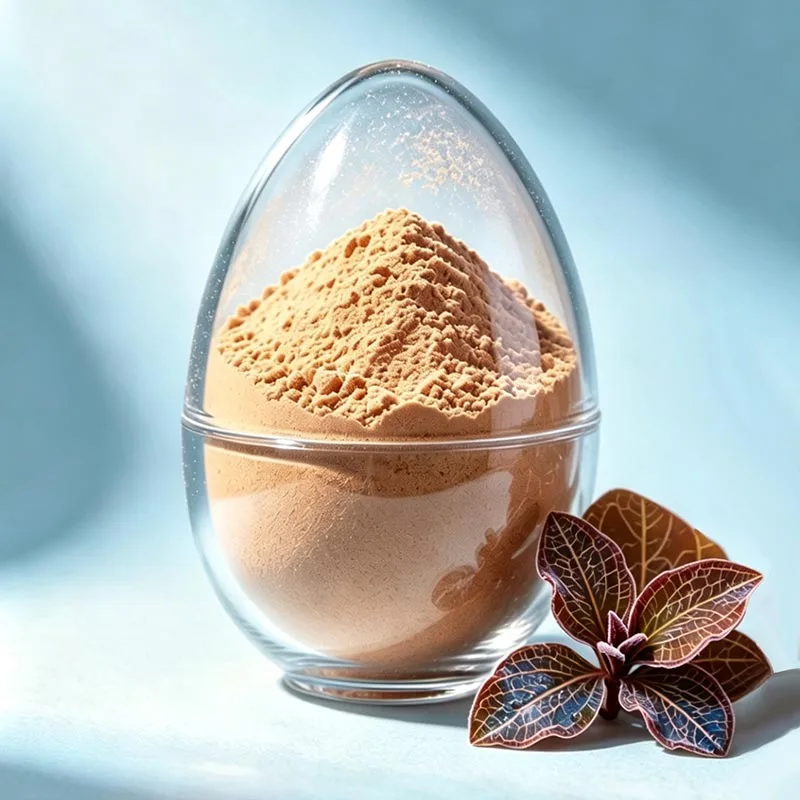

Under a microscope, clusters of needle-shaped crystals gather together and glow white under natural light.
Recently, reporters from the Changjiang Daily witnessed the separation of a single compound — kinsenoside — from the Chinese herbal medicine Anoectochilus roxburghii in a new drug laboratory at the School of Pharmacy, Tongji Medical College, Huazhong University of Science and Technology. This ingredient determines the pharmacological activity of traditional Anoectochilus roxburghii.
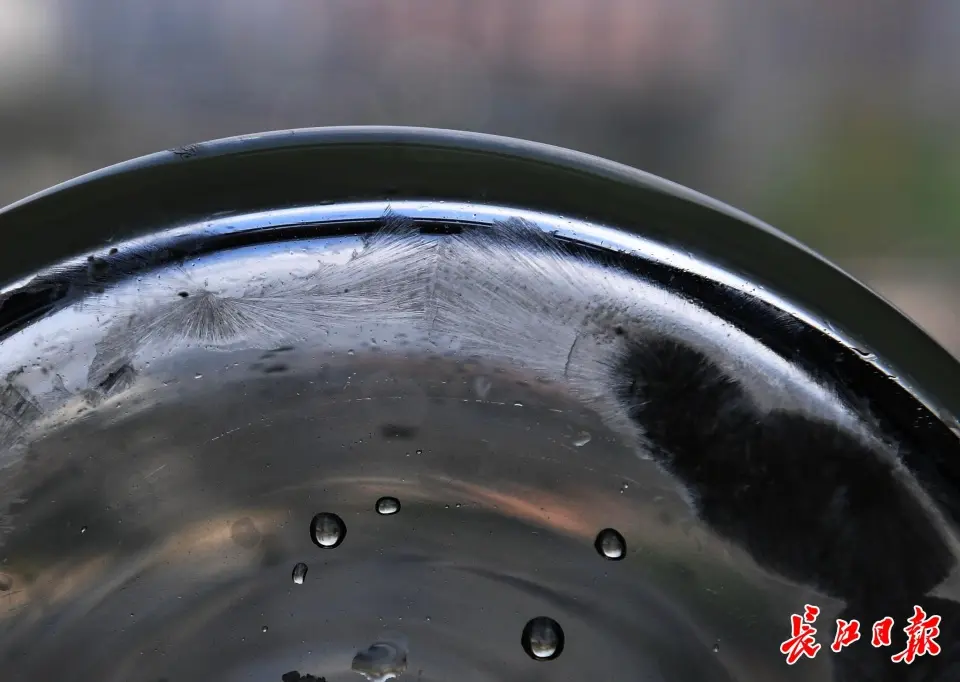
Columnar crystalline kinsenoside lingers at the bottom of the flask. Photo by Li Yonggang, Reporter of Changjiang Daily
Wild Anoectochilus roxburghii was listed as an endangered plant by Fujian Province, its primary producing region, in 1990. On August 7, 2021, wild Anoectochilus roxburghii was included in China’s National List of Class II Protected Wild Plants. This plant has undergone dramatic changes over the past two decades. At the laboratory of Tongji Medical College, Huazhong University of Science and Technology, Professor Zhang Yonghui’s team spent 20 years of dedicated research developing kinsenoside tablets, a Class 1 small-molecule innovative chemical drug. The product obtained national approval for Phase I clinical trials on July 28 this year and is about to launch Phase I human trials. Previously, 10 patents covering the invention and application of Anoectochilus roxburghii for liver disease prevention and treatment were transferred for a milestone payment of 240 million RMB. Artificially cultivated Anoectochilus roxburghii contains higher levels of kinsenoside, its core medicinal active ingredient, than wild varieties, with steadily improving quality. With a 2,000-year history as a medicinal and edible herb among Fujian locals, Anoectochilus roxburghii can now be processed into chemical pharmaceuticals, modern traditional Chinese medicines, and medicinal-food homologous herbal raw materials.
Professor Zhang Yonghui’s team has also successfully established a chemical synthesis route for kinsenoside, meaning kinsenoside can be produced via chemical synthesis.
A convergence of traditional Chinese and Western medicine is realized through Anoectochilus roxburghii.
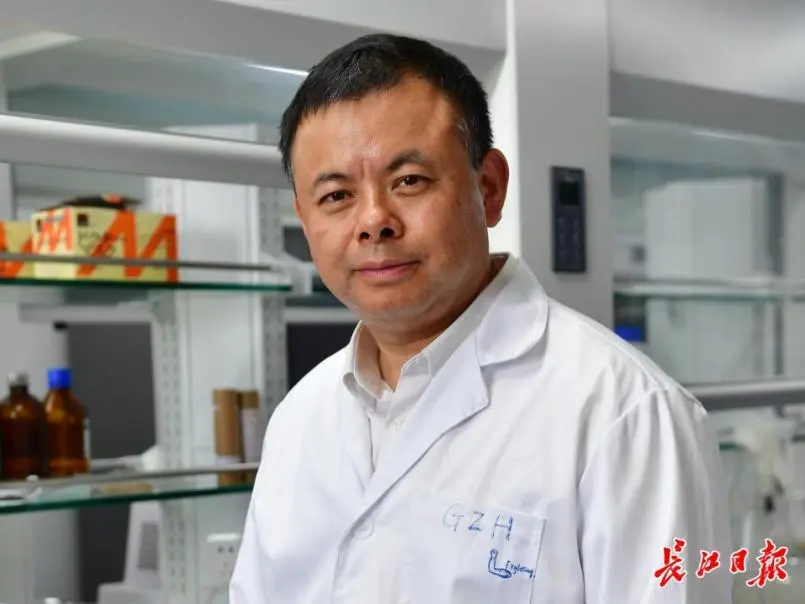
Professor Zhang Yonghui. Photo by Li Yonggang, Reporter of Changjiang Daily
2,000 Years of Folk Utilization — Uncovering the Functional Secret of Anoectochilus Roxburghii in the Lab
Born to a farming family, Zhang Yonghui graduated from Huanggang Middle School in Hubei Province in 1991 and was admitted to Tongji Medical University (now Tongji Medical College, Huazhong University of Science and Technology) to major in pharmacy.
With the rise of natural pharmaceutical research in the 1970s, a new discipline called natural pharmaceutical chemistry emerged. During his postgraduate studies, Zhang specialized in this field and systematically mastered a wide range of research methods and techniques for natural pharmaceutical chemistry.
After earning his master’s degree in 2000, Zhang stayed on campus to conduct natural medicine research. “Chinese herbal medicines have a history spanning thousands of years. In the past, we could not clarify the material basis behind the therapeutic effects of most herbal medicines; now we have the determination and confidence to figure it out,” Zhang recalled. Within a few months, he set Anoectochilus roxburghii as his research subject.
Anoectochilus roxburghii is an orchid of the Anoectochilus genus, featuring dark purple-red leaves covered with golden vein networks, a distinctive and beautiful trait. It grows in Fujian, Taiwan and Yunnan Provinces of China, as well as Japan and several Southeast Asian countries.
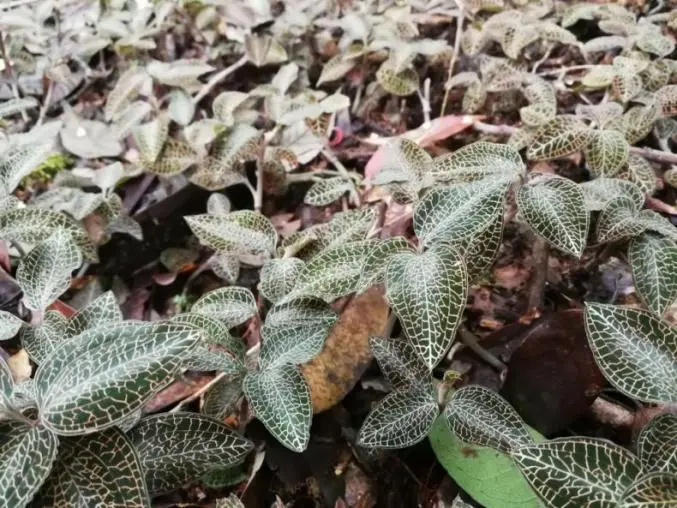
Forest-cultivated Anoectochilus roxburghii.
Reporters interviewed local herbal farmers in Yong’an City, Sanming Prefecture, Fujian Province from August 13 to 15 this year. The farmers said: “Birds regard Anoectochilus roxburghii leaves as ginseng, so we also call it ‘bird ginseng’. Wild mountain animals feed on it too. Our ancestors observed this long ago.”
Fujian locals hail Anoectochilus roxburghii as the “King of Herbs”, with a folk usage history stretching back over 2,000 years. It is known as a universal detoxifying remedy: used for children’s febrile convulsions, venomous snake bites, hangover relief, chronic coughs in the elderly, and physical weakness after childbirth. In traditional Chinese wellness concepts, “internal heat” and “toxins” are the root causes of illnesses, making heat-clearing and detoxification core health priorities.
It was this enduring folk medicinal wisdom passed down for thousands of years that inspired Zhang to study Anoectochilus roxburghii. “Yet no one had systematically analyzed its chemical composition, leaving the exact active ingredients responsible for its effects unidentified.”
In 2004, while still a lecturer, Zhang submitted a National Natural Science Foundation project centered on Anoectochilus roxburghii and obtained 220,000 RMB in research funding, officially launching research on the herb.
During the summer vacation of 2004, Zhang led two graduate students to Zhangzhou City, Fujian Province to source Anoectochilus roxburghii. At that time, no artificial cultivation existed locally, only wild plants could be found. With no stock available at medicinal herb suppliers, the team trekked mountain areas to find veteran herbalists and purchased 3 kilograms of dried Anoectochilus roxburghii for 33,000 RMB of research funds.
Over two years, through extraction, separation and purification, Zhang isolated more than 10 compounds from Anoectochilus roxburghii, dominated by glycosides. This marked the first successful isolation of kinsenoside from Fujian-grown Anoectochilus roxburghii.
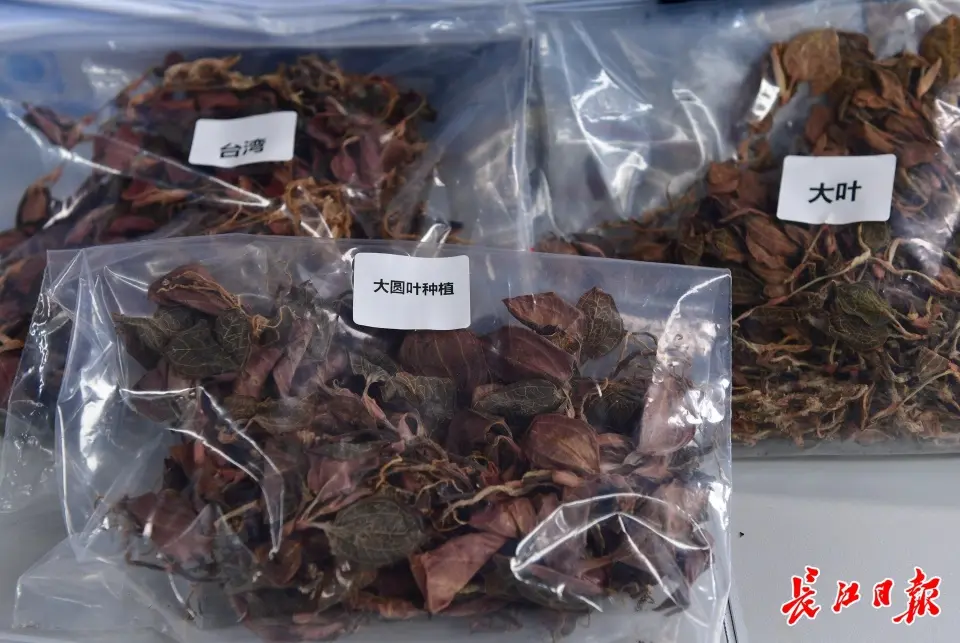
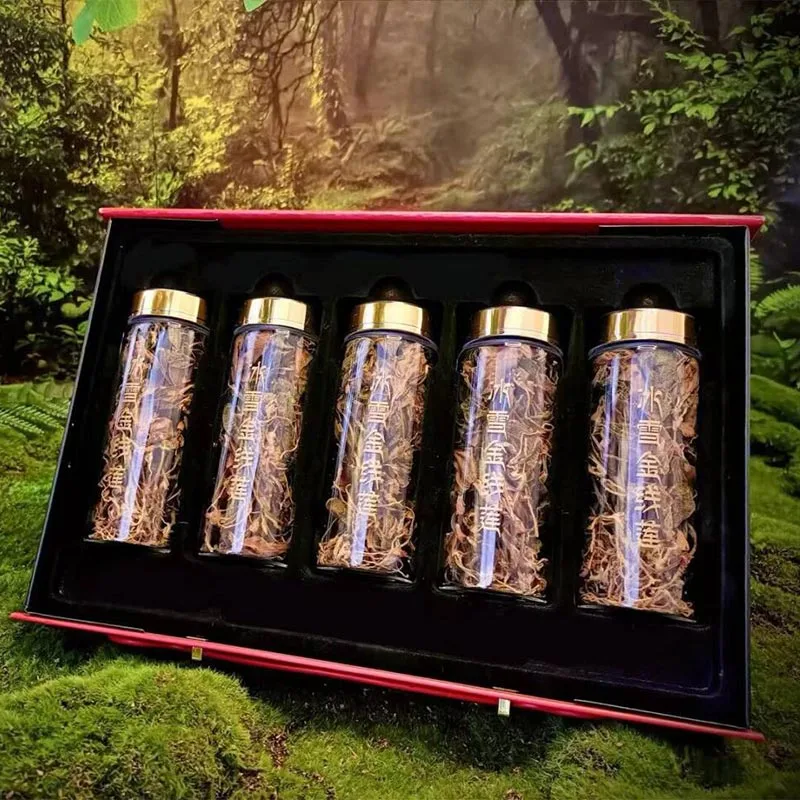
Dried Anoectochilus roxburghii of different varieties for laboratory testing. Photo by Li Yonggang, Reporter of Changjiang Daily
Zhang and his team carried out animal experiments on the major compound categories extracted from Anoectochilus roxburghii, confirming that kinsenoside — rather than flavonoids or polysaccharides as previously assumed by some researchers — is the core pharmacologically active ingredient of the herb.
Kinsenoside extracted from Anoectochilus roxburghii is a glycoside compound. Zhang stated: “The quality of Anoectochilus roxburghii is judged solely by the content of this single compound, kinsenoside.”
Further research brought continuous surprises. Wild Anoectochilus roxburghii contains over 10% kinsenoside by weight, while artificially cultivated varieties have even higher concentrations — meaning every 100 grams of the herb contains at least 10 grams of kinsenoside. Such high content of a single active compound is extremely rare among Chinese herbal medicines; most medicinal plants contain less than 1% of any individual active ingredient, and the well-known paclitaxel accounts for merely 0.01% of Taxus bark.
When developing new chemical drugs, researchers usually modify the original molecular structure of promising candidate compounds to enhance efficacy or reduce toxic side effects. However, Zhang’s team found that the native molecular structure of kinsenoside delivers optimal therapeutic effects and requires no structural modification at all.
All medicinal substances carry potential toxicity risks, yet systematic toxicology tests proved kinsenoside is virtually non-toxic. “This is a precious treasure left to us by our ancestors.”
Guiding Cultivation with Laboratory Data — Revitalizing an Endangered Plant
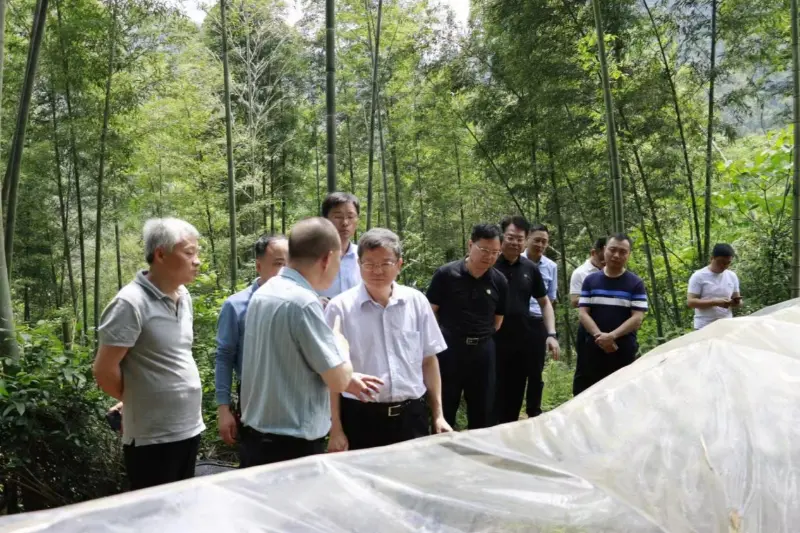
Early on the morning of August 14, about 60 kilometers away from Yong’an City, Sanming, 42-year-old Su Bingzhang and his 72-year-old mother loosened soil under moso bamboo groves. They planned to transplant 600,000 Anoectochilus roxburghii seedlings here in September.
This area sits on the branch ranges of the Wuyi Mountains at an altitude of over 500 meters, covered by lush moso bamboo canopies. Thin sunlight filters through bamboo leaves onto red soil. “Anoectochilus roxburghii cannot withstand direct sunlight. In natural environments, it grows under forests, with tall trees and bamboo acting as its shade,” explained Shen Shaorong, founder of Yong’an Huangnijia Co., Ltd., who accompanied reporters up the mountain.
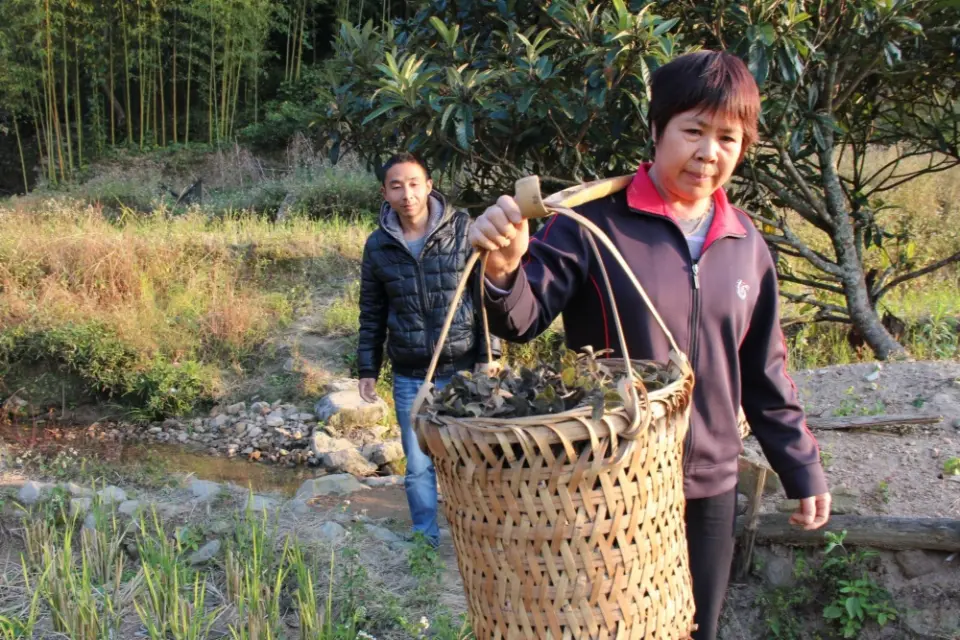
Su Bingzhang (rearmost) and farmers carry harvested Anoectochilus roxburghii down the mountain. Contributed by Su Bingzhang
A Hakka native, Shen Shaorong began researching artificial breeding and cultivation techniques for Anoectochilus roxburghii in 2005. In spring 2013, Zhang traveled to Huangnijia Co., Ltd. in Yong’an with his students to source raw Anoectochilus roxburghii for lab research. At that time, Zhang’s next research phase aimed to identify kinsenoside’s therapeutic strengths to advance new drug development, while Shen had already mastered tissue culture seedling propagation, under-forest and greenhouse planting technologies.
After this field trip to Yong’an, most raw Anoectochilus roxburghii used in Zhang’s laboratory was supplied by Shen’s plantation. Shen also started sending plant samples to Zhang’s lab for testing to guide seed selection and cultivation optimization.
In an interview on August 14 this year, Shen recalled: “He told me back then that he had confirmed Anoectochilus roxburghii exerts hypoglycemic effects with almost no toxic side effects. That single sentence motivated me to keep researching artificial cultivation to this day.”
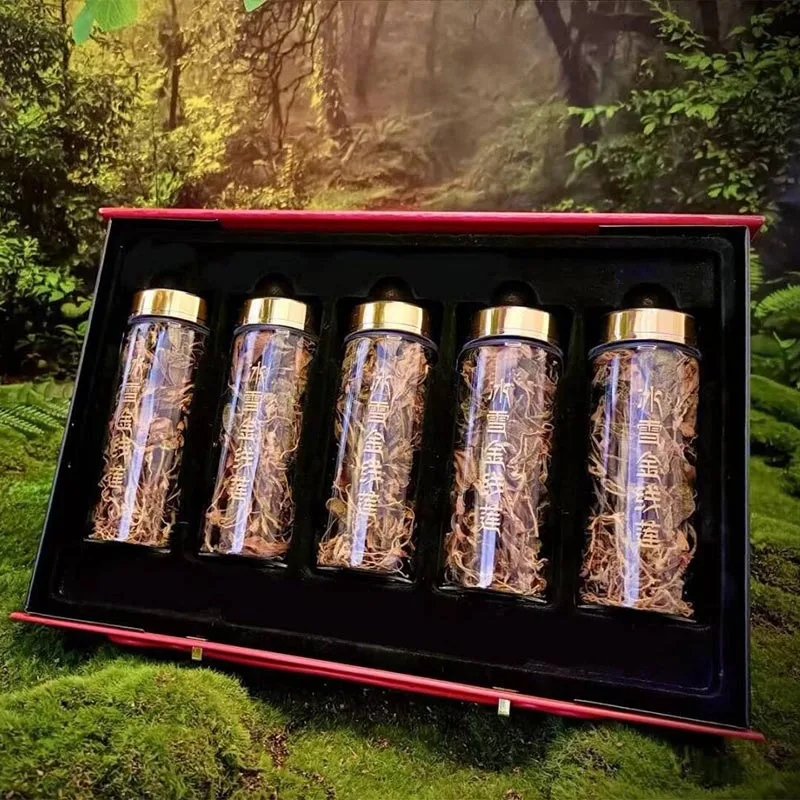
Currently, Shen operates a 3,200-mu Anoectochilus roxburghii plantation under a “company + farmer” model. Each mu yields 220 kilograms of fresh leaves, processed into 22 kilograms of dried herb via low-temperature drying, sold at 5,800 RMB per kilogram.
“Before transplanting seedlings, we crush soil into fine particles just like preparing vegetable seedbeds,” said Su Bingzhang, who carefully tends his 100-mu bamboo forest. “Without Anoectochilus roxburghii cultivation, this mountain land would lie barren.” The sun-tanned farmer smiled honestly. Su returned to his hometown a decade ago after migrant work to grow citrus, rice, moso bamboo and Anoectochilus roxburghii. The herb now contributes half of his total annual income.
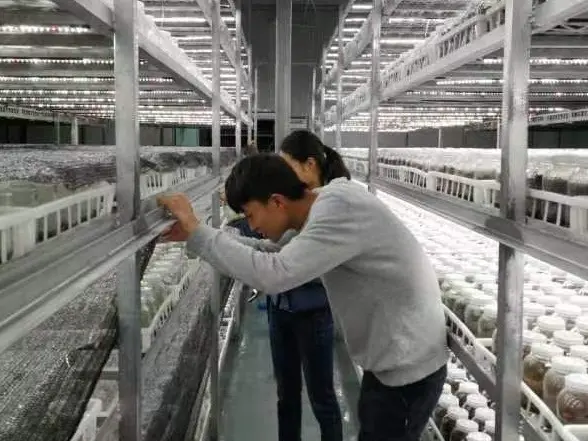
Farmers inspect bottle seedlings of Anoectochilus roxburghii at Jiaoyu Mountain, Lincang, Yunnan. Contributed by Chen Ling
Su has no record of how much of his cultivated Anoectochilus roxburghii has been delivered to Zhang’s laboratory over the past decade. Wang Yafen, a researcher at the New Drug Laboratory of Tongji Medical College, Huazhong University of Science and Technology, noted a clear trend: kinsenoside levels in artificially cultivated Anoectochilus roxburghii samples sent for testing keep rising, with consistent quality improvements year after year.
In Fujian, where Anoectochilus roxburghii is honored as the “King of Herbs”, locals lacked scientific standards to judge premium quality. They believed wild herbs, similar to ginseng, gain better quality with longer growth cycles. At that time, the local market price reflected this misconception: two-year flowering Anoectochilus roxburghii sold for 2,000 RMB per jin, while one-year flowering stock fetched 1,000 RMB per jin.
Zhang’s laboratory data overturned this thousands-year-old folk belief. Tests showed flowering Anoectochilus roxburghii contains far less kinsenoside than non-flowering plants, and longer cultivation cycles do not equate to higher potency.
There are multiple varieties of Anoectochilus roxburghii, categorized by leaf shape: round-leaf, pointed-leaf, large-leaf and thin-leaf strains. Using self-developed testing protocols, Zhang confirmed leaves contain the highest concentration of kinsenoside. After these findings were shared with growers, large-leaf varieties quickly became the mainstream cultivated strain.
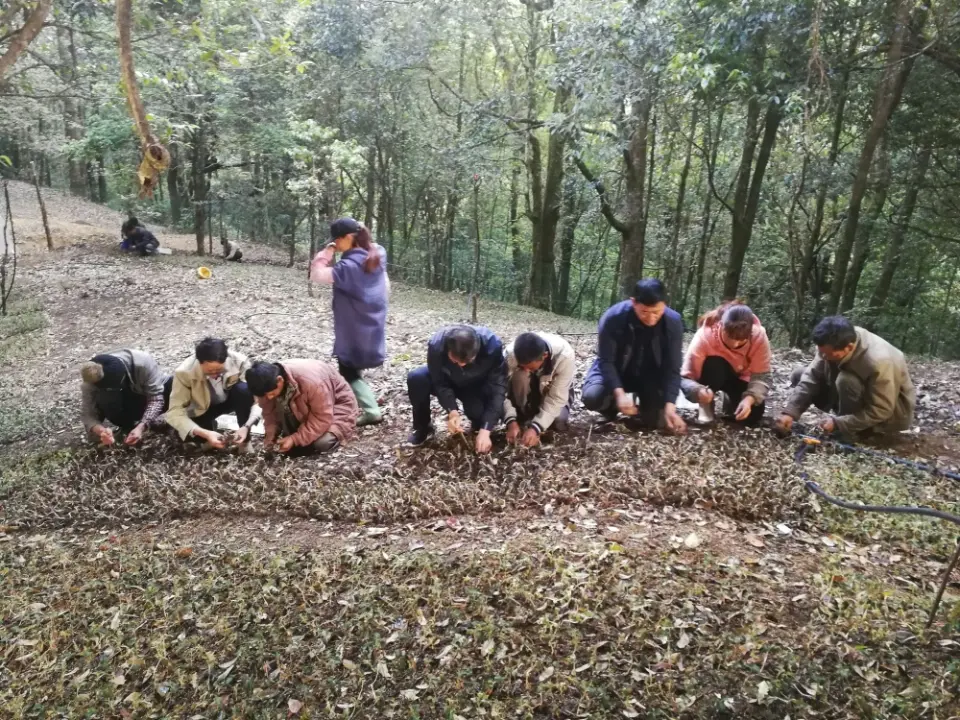
Farmers harvest Anoectochilus roxburghii at Jiaoyu Mountain, Lincang, Yunnan. Contributed by Chen Ling
Nearly 1,800 kilometers away from Yong’an City, Fujian, 40 mu of thriving Anoectochilus roxburghii grows at Jiaoyu Mountain, Lincang, Yunnan Province. Chen Ling, head of Yunnan Shanyuan Biotechnology Development Co., Ltd., explained that Professor Yu Longjiang from Huazhong University of Science and Technology introduced Anoectochilus roxburghii cultivation as a poverty alleviation project in Yunnan back in 2017, training local farmers in artificial growing techniques. Professor Zhang Yonghui is now assisting in drafting Yunnan’s local food safety standard for Anoectochilus roxburghii, while the Fujian Provincial Local Food Safety Standard for Anoectochilus roxburghii, formulated under his technical guidance after five years of research, was officially issued and implemented in June 2022. A growing number of farmers have joined Anoectochilus roxburghii cultivation.
According to incomplete statistics shared by Zhang, nationwide Anoectochilus roxburghii cultivation covers over 100,000 mu with an annual industrial output value of 20 billion RMB. Once an endangered wild plant, Anoectochilus roxburghii has been revitalized with the support of modern science and technology, continuously benefiting humanity.
20 Years of Unwavering Research — Confidence Rooted in Folk Medicinal Practice
Locals mostly consume Anoectochilus roxburghii by boiling it into decoctions or brewing herbal tea. Historical documents record its hypoglycemic and lipid-lowering effects.
Zhang’s first research target was blood glucose regulation. Animal experiments showed kinsenoside delivers moderate hypoglycemic activity, yet weaker than metformin, a classic anti-diabetic drug. Zhang explained that blood glucose levels in model animals reached 30 mmol/L; metformin reduced levels to roughly 7 mmol/L, while kinsenoside only lowered glucose to around 10 mmol/L. For innovative chemical drug development, candidate compounds must outperform existing pharmaceuticals to possess clinical value, so the hypoglycemia research direction stalled.
Zhang’s second research focus was lipid regulation. Years of repeated trials verified kinsenoside’s lipid-lowering efficacy fell short of statin medications, marking another major setback for the drug discovery team.
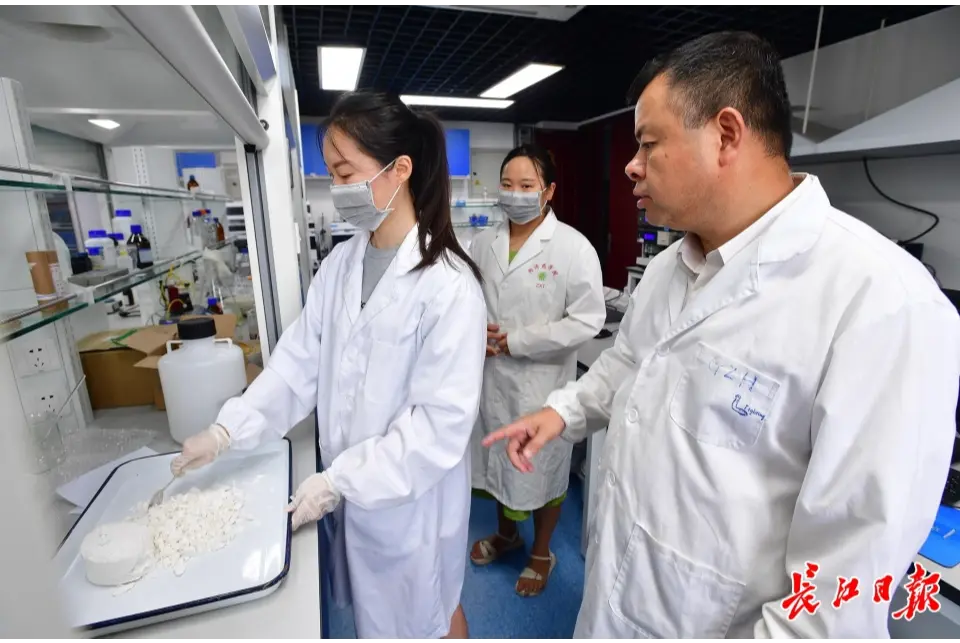
Professor Zhang Yonghui (far right) reviews trial progress in the laboratory. Photo by Li Yonggang, Reporter of Changjiang Daily
“Dig deeper.” Whenever team members encountered difficulties, Zhang used this mantra to encourage them not to overlook subtle clues hidden in experimental data.
These two stalled research directions later revealed vital insights: while kinsenoside cannot match metformin’s standalone hypoglycemic power or statins’ isolated lipid-lowering strength, its dual regulatory effects on both blood glucose and blood lipids deliver comprehensive metabolic benefits unmatched by either single pharmaceutical agent.
“Ancient folk wisdom embedded within Anoectochilus roxburghii as a Chinese herbal medicine guarantees new breakthroughs await discovery,” Zhang stated. Drawing on folk traditions of using the herb to relieve hangovers and protect the liver, his team pivoted to research on kinsenoside’s hepatoprotective mechanisms.
Zhang’s lab established six distinct animal liver injury models for accelerated research: alcoholic liver injury, drug-induced liver injury, cholestatic liver injury, radiation-induced liver injury, non-alcoholic steatohepatitis, and liver fibrosis.
To speed up research progress, Zhang self-administered experimental doses to test the compound’s half-life. Trials confirmed kinsenoside reaches peak blood concentration two hours after administration in both animal models and human subjects.
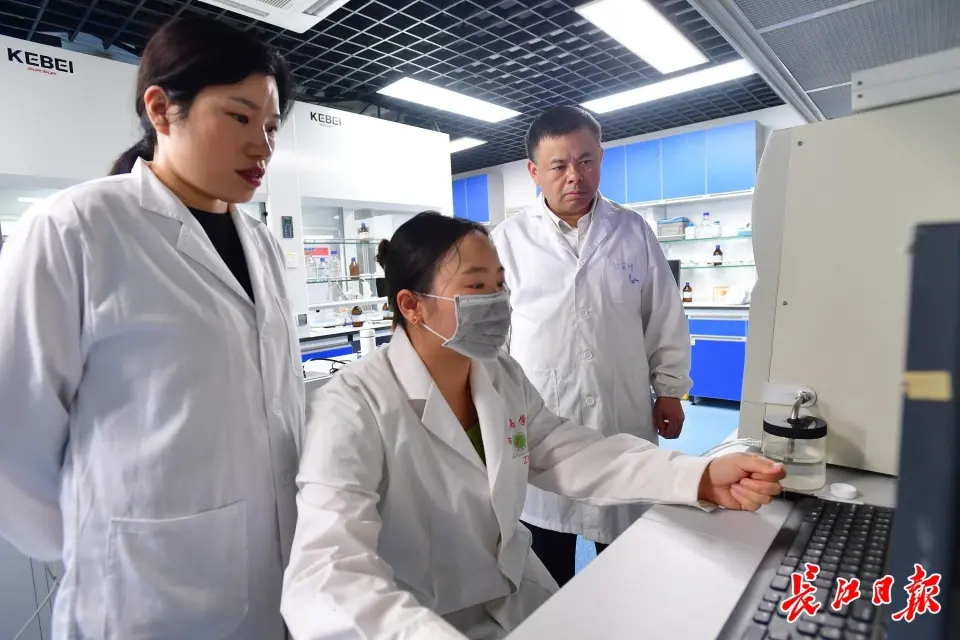
Professor Zhang Yonghui (far right) reviews trial progress in the laboratory. Photo by Li Yonggang, Reporter of Changjiang Daily
“At our busiest stage, I lived on campus without returning home for two months,” Wang Yafen, one of Zhang’s students, recalled. She described the entire research team as relentless workers who required reminders to rest. Monday through Saturday constituted official working hours, yet the lab remained packed most Sundays, with overnight research sessions commonplace.
Comprehensive experimental work quickly yielded breakthroughs. Collaborating with Professor Xiang Ming from the School of Pharmacy, Zhang’s team identified kinsenoside’s therapeutic efficacy against experimental autoimmune hepatitis, alongside its unique anti-fibrotic liver activity. “No new pharmaceutical drug for liver fibrosis has yet obtained global marketing approval. If our research succeeds, we may develop a treatment capable of halting the progression from hepatitis to cirrhosis and liver cancer,” Zhang explained. Kinsenoside exhibits robust protective effects across all six liver injury models tested: alcoholic, drug-induced, cholestatic, radiation-related, non-alcoholic fatty liver disease, and liver fibrosis.
The hepatoprotection research stream delivered transformative results. Earlier this August, 10 patents stemming from Anoectochilus roxburghii research completed technology transfer, and kinsenoside tablets — developed as a small-molecule chemical drug — secured Phase I clinical trial approval issued by the National Medical Products Administration.
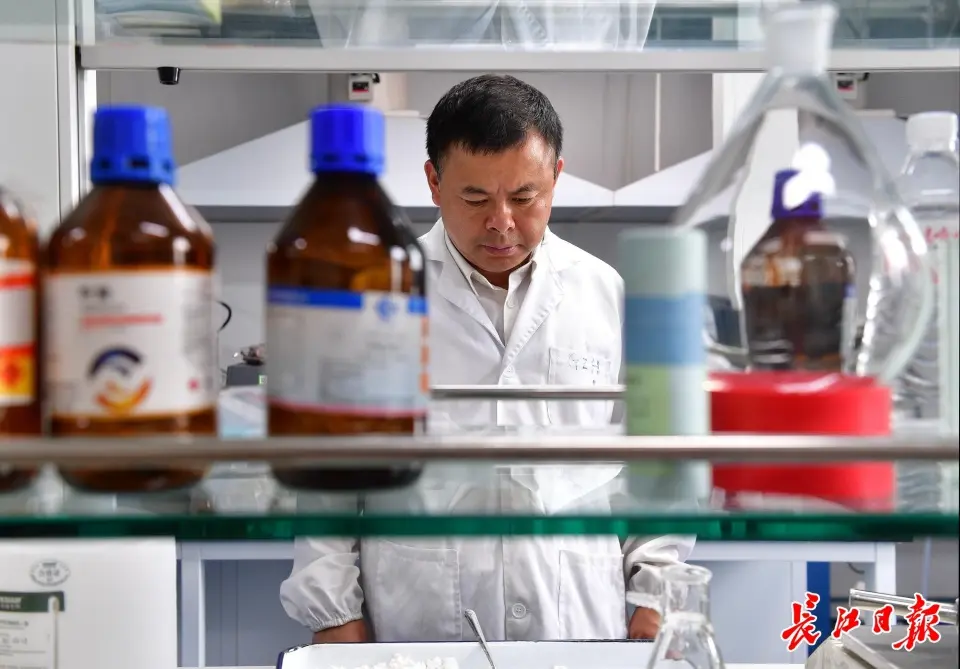
Professor Zhang Yonghui reviews trial progress in the laboratory. Photo by Li Yonggang, Reporter of Changjiang Daily
For 20 consecutive years, Zhang led his team in unwavering dedicated research on Anoectochilus roxburghii. He credits his two decades of perseverance and confidence to two pillars: the uninterrupted 2,000-year folk medicinal heritage of Anoectochilus roxburghii, and sustained national research funding support.
Beyond initial National Natural Science Foundation backing, the Anoectochilus roxburghii project received support from the National Major New Drug Creation Science and Technology Special Project in 2010, the National 863 High-Tech Research and Development Program in 2013, alongside substantial financial grants from Hubei Province, Wuhan Municipal Government and Huazhong University of Science and Technology.
Zhang’s team has also fully established a viable chemical synthesis route for kinsenoside. “This breakthrough bridges the divide between traditional Chinese medicine and Western pharmaceutical chemistry.”
Zhang explained that extracted kinsenoside achieves purity exceeding 99.5%, qualifying it for development as either a chemical drug or a modern traditional Chinese medicine. The kinsenoside tablets advancing to clinical trials as a chemical drug contain 99.5% pure kinsenoside. His team is also developing Class 1 innovative TCM drugs and health food formulations using standardized active fractions isolated from Anoectochilus roxburghii. “We are fully confident these products will reach patients at the earliest possible date.” Upon hearing the news that kinsenoside tablets would enter clinical trials, Shen Shaorong expressed profound excitement: “We have waited a full decade for this milestone.”
During multiple interviews, Zhang repeatedly referenced Tu Youyou and artemisinin. “Exceptional medicinal compounds change healthcare outcomes — one drug can even eradicate an entire disease, just as artemisinin eliminated malaria as a major global threat. If I can develop one or two curative new pharmaceutical agents in my lifetime, I will consider my career complete.”
Reporters: Yang Jiafeng, Tian Qiping, Changjiang Daily
Correspondent: Wang Xiaoxiao
Editor’s Note